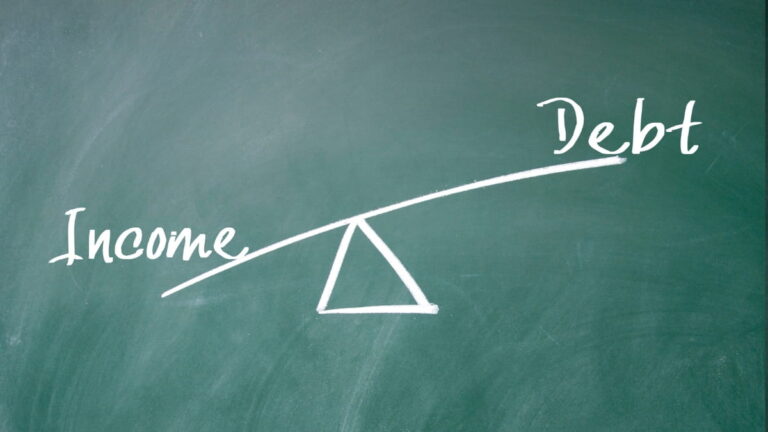


It is true that nowadays money is a necessity and plays a very important role in everyone’s life. Sometimes, when people do not have enough money but need it for an emergency, they prefer taking a loan. The loan money is mostly used to support education, health care, buying a house or meeting unexpected expenses. That is why it is important to understand everything that is related to it. Otherwise, it can be very stressful for the borrower to handle it. In this blog, we will discuss everything about loans in an easy way. So that you can make better financial decisions for your future.
What is a Loan?
A loan is basically a financial tool that is used by a person to take money from a bank, financial institution or private lender. The loan amount must be paid back to the lender with the agreed interest. The borrower promises to return the money within a fixed time which is decided by both the parties. It is up to the borrower whether they want to pay in instalments or in one single payment. A loan is very helpful in certain cases when a person is running out of money but it always brings the responsibility of proper repayment. A loan can easily turn into a big financial problem if the borrower does not repay it on time.
Why Do People Take Loans?
There can be so many reasons why people and businesses take loans. We have discussed the most common ones below.
Education
The student borrows educational loans when they want to study in top-ranked colleges and universities in India or abroad.
Home Purchase
The families in India usually take out home loans because purchasing property requires a large amount of money.
Business Needs
The business loans are usually taken by the entrepreneurs to start and expand their business activities.
Medical Expenses
People who have medical emergencies also take loans for treatment and hospital costs as they can be very high.
Personal Goals
People also take out personal loans for weddings, travel or lifestyle improvement.
Debt Consolidation
Many times, people take out a loan where they combine different debts into one easier repayment.
Key Elements of a Loan
If you are planning to take a loan, you should be aware of all the important things that are related to it. The principal is the actual amount that a person borrows from a lender. The interest is the extra amount that is charged by the lender for lending the money. The tenure of a loan is basically a fixed duration during which the loan must be repaid. EMIs are the monthly payments that include both the interest and the principal. The collateral is required in secured loans and may include property, gold or other valuable items. The lenders may also charge extra fees like processing charges or penalties for late payments.
Types of Loans in India
Now, we will discuss the different types of loans that are available in India.
Personal Loan
A personal loan is a good option for you if you need money for some personal expenses like medical costs, travel or weddings. This particular loan type usually does not require any security or collateral.
Home Loan
A home loan helps a person to buy, construct or renovate their house. The repayment terms for this particular loan type usually extend for many years.
Education Loan
An educational loan helps the students to pay for higher studies in India or abroad. The repayment of this loan type usually begins only after the completion of the chosen course.
Vehicle Loan
A vehicle loan makes it possible for people to buy cars or two-wheelers. In most cases, they become the security when the borrower is unable to repay the loan on time.
Business Loan
The business loans provide funds to the entrepreneurs who want to start, expand or manage their business operations in a better way.
Gold Loan
A gold loan allows the borrower to trade their gold jewellery as security. In return, they receive quick money with comparatively lower interest rates and better terms.
Credit Card Loan
The credit card holders can convert their available limit into a loan but this facility often comes with a higher rate of interest than other options.
Loan Against Property
A loan against property enables a borrower to pledge their real estate in return for a larger amount at relatively lower interest rates.
Secured vs. Unsecured Loans
The loans are generally divided into secured and unsecured categories depending on their conditions.
A secured loan requires the borrower to provide an asset such as gold, land or a house as collateral. If the borrower fails to pay the money, then the lender can sell the asset to recover the loan amount.
An unsecured loan does not require any assets or collateral from the borrower but the lender charges higher interest rates because of the higher risk involved.
How Interest Rates Work
Basically, interest is the price that a person pays for borrowing money from a lender. Some loans have fixed interest rates that remain the same for the entire repayment period. Other loans have floating interest rates that change as per the market conditions during their tenure. Even a small change in the interest rates can create a big difference in the total repayment amount. That is why comparing different lenders before selecting a loan is very important.
Benefits of Taking a Loan
The loans are not always a burden when they are taken wisely and with planning, because:
- They provide quick access to money which allows the people to fulfil important needs without having savings.
- They can be repaid in monthly instalments which makes repayment more comfortable for many families.
- If the borrowers repay their loan on time, their credit score improves which makes it easy for them to obtain more loans in future.
- They can also be structured in a way that matches the specific financial needs of the borrower.
Risks of Taking a Loan
The loans also have certain risks that should be considered before taking out one. Let’s discuss the most common risks that are associated with taking a loan below.
- It is advisable for borrowers not to take more than what they can repay, as it can make them fall into a debt trap.
- The unsecured loans seem so practical at first to the borrowers but they often come with very high interest rate charges.
- Sometimes the lenders also add hidden costs such as penalties or processing fees which increase the overall amount.
- If the borrower misses the EMIs, then it can damage their credit score and make future borrowing more difficult for them.
That is why it is important for the borrowers to always be very careful while choosing loans.
What if You Don’t Pay Back the Loan?
When you fail to repay the loan, the late penalties and extra interest can increase your total loan amount. This also lowers your credit score significantly which makes it difficult and costly for you to borrow loans in future. In India, the banks may even take some legal steps or claim the assets that were kept as security while applying for the loan. Also, not paying your loans on time creates financial pressure on your mind which causes mental stress. That is why it is wiser to think about a solution instead of waiting for a miracle to happen out of nowhere. You can also opt for a loan settlement or go for financial restructuring in such scenarios.
How to Choose the Right Loan
Choosing the right loan type for your needs requires you to make a clear plan through careful decision-making.
- Purpose of Loan: First of all, it should be very clear why you need the loan.
- Amount Needed: You should only borrow the amount that you can repay easily without damaging your finances.
- Compare Lenders: You should always compare different banks and NBFCs for better interest rates.
- Understand Terms: You should always read the loan agreement carefully to make sure that there are no hidden costs.
- Check Tenure: You should choose a repayment tenure that suits your income and monthly budget after paying for all the essential things (rent, groceries, utility bills).
- EMI Affordability: You should use EMI calculators to check if the instalment amount fits your budget.
Loan Eligibility Factors
Every lender checks the following eligibility conditions before approving a loan application.
- The lender will check whether the person is salaried or self-employed.
- Age is also an important factor because younger borrowers usually have more repayment years available to repay their loan.
- They will also check your credit score and if you have a good credit score, it improves your chances of getting a loan with low interest rates.
- Lastly, they will check how many outstanding loans you have to make sure that you are not financially overloaded.
Repayment Strategies for Loans
It is very important to repay your loans on time to maintain good financial health. Some repayment strategies to maintain financial health include:
- The borrowers can set up auto-debit facilities to make sure that the EMIs are never missed.
- They should pay more than the minimum instalment whenever possible because it helps in reducing the total interest amount.
- It is better to avoid taking new loans while the old ones are still unpaid.
- They should try to clear the high-interest loans first. It helps to reduce the overall repayment pressure.
Common Mistakes to Avoid When Taking Loans
Many people make mistakes that create long-term financial stress for them. We have discussed some of the mistakes below that you should avoid when taking loans.
- You should not borrow money without planning a proper repayment strategy.
- You should thoroughly read all the things that are mentioned in the loan agreement.
- You should not take out more loans without clearing up the outstanding ones.
- You should not miss the EMIs of your loan so you can avoid paying penalties.
- You should not depend on your credit cards for all types of expenses, as it can create problems later.
Role of Credit Score in Loan Approval
A credit score is basically a three-digit number that shows how trustworthy you are in paying back your loans on time. The lenders always look at this number before they decide whether to approve a loan. A high credit score means that the borrower has good repayment habits. This thing improves their chances of getting a loan with lower interest rates. Also, paying EMIs on time, avoiding missed payments and keeping credit card balances within the limits can help them maintain a strong credit score. These things are important because a healthy credit score makes the future borrowing easier and more affordable.
Alternatives to Loans
It is also true that sometimes borrowing money may not be the best option. In such scenarios, the alternatives to loans may help.
- You can use your personal savings if you need money for a small but urgent task.
- You can consider taking money from family members or friends because it usually comes without the tension of interest rates piling up.
- You can also consider selling your unused assets like gold, land or old vehicles to raise money.
- You should adopt some healthy financial budgeting habits to avoid taking unnecessary loans.
Future of Loans in India
The loan market in India is changing quickly with the arrival of digital banking and fintech companies. People can now apply for loans online and receive approvals within a very short time. The flexible repayment options and customised loan products are also becoming common these days. This convenience allows more people to access loans more easily than ever before. However, faster approvals also mean that borrowers must remain disciplined, repay their loans on time and avoid taking unnecessary loans. The financial awareness and careful planning will ensure that the digital lending remains useful instead of being a burden.
Final Thoughts
Loans are powerful financial tools and they are very helpful in handling financial emergencies when used correctly. They provide quick access to the funds but also require proper responsibility and planning. It is very important for the borrowers to understand different types of loans, their benefits and risks to ensure smooth borrowing. They should also take care of their credit scores to attract better loan terms with surprisingly low interest rates in future.
At Loan Resolve Services, we understand the difficulties that people face while taking and repaying their loans. That is why we provide them with practical solutions and guidance to help them manage their loans without any unnecessary stress. We help every individual to gain control over their finances and work confidently towards a financially healthy future by providing them with the right advice and professional support that they need to become debt-free.

I am an experienced advocate with 8 years of expertise in handling legal matters related to loan settlement services. I am skilled in providing effective legal solutions, negotiating settlements, and representing clients in complex financial disputes, ensuring their rights are protected throughout the process.