
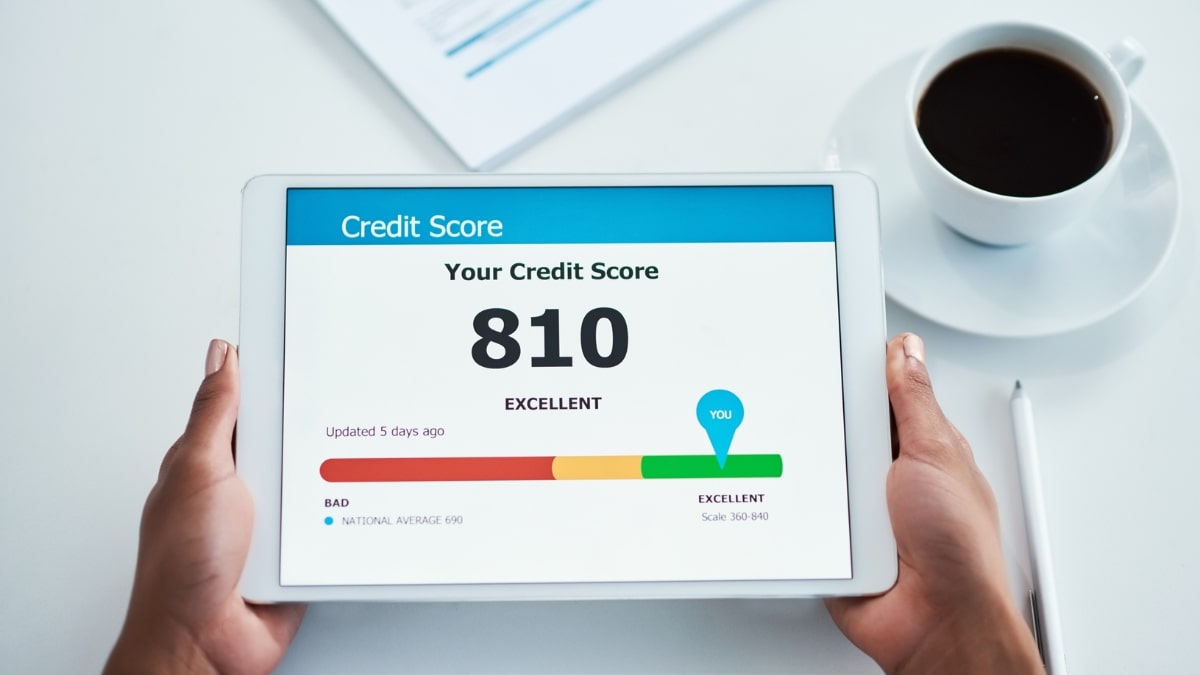

Have you checked your credit score from two sources and found different numbers both times? If yes, then you are not alone because many people face the same confusion when their credit score is not the same across the credit agencies. That is because each credit bureau/agency uses its own method to calculate your credit score. It means that your financial behaviours might reflect in different ways across their reports. In this blog, we will understand why credit scores differ between agencies and how you can manage them.
What Is a Credit Score?
A credit score is a number that tells a lender how likely you are to repay a loan on time. Usually, it is a three-digit number that falls between 300 and 900. A higher score simply means that you have a good payment history. It also represents that you are a trustworthy person in the eyes of banks and other financial institutions. This score is calculated based on your credit history which mainly includes your loan payments, credit card usage, number of accounts and how long you have been using credit.
Why Are There Different Credit Scores?
It may be confusing to see a 780 score from one bureau and a 740 from another. This happens due to differences in data, timing and the way each agency calculates the score. Let’s understand this in more detail below.
Different Data Collection Methods
All credit bureaus receive data from banks, NBFCs (Non-Banking Financial Companies) and other lenders. However, not all the lenders report to every single credit bureau. Some lenders may share your credit data only with CIBIL while others may report only to Experian or Equifax. So, if a loan account is missing from one agency’s records, then your credit score with that agency might be lower or higher depending on what is missing. This is one of the most common reasons for credit score differences.
Use of Different Scoring Models
Although all agencies use your financial data to calculate your score, they follow different formulas or models. It is known as a scoring model that helps the lenders to calculate your credit score. They look at the similar factors like:
- Repayment history
- Total debt
- Credit usage
- The length of credit
After looking at all these factors, they assign different weights to them. It works in a way that if one credit bureau might give more importance to your repayment history while another might focus more on your credit utilisation.
Timing of Credit Report Updates
Usually, your lenders update your credit activities like EMI payments or credit card usage regularly. The receiving time varies for each agency to receive this information. That is because some lenders report updates every 30 days and others might be doing it every 45 to 60 days. So, if you check your credit score with CIBIL, it might reflect that it has been updated. On the other hand, if Experian has not received it yet, then you see old data for your credit score.
Errors or Omissions in Reports
Sometimes, your credit report may contain mistakes. It could be an error in your personal details, loan status, outstanding amount or repayment dates. These mistakes can lower or raise your credit score unfairly. If only one credit agency has a mistake in your report and the others do not, then that agency will show a score that is different from the others.
Frequency of Score Checks
If you check your credit score from one agency today and check it again from another agency next week, there is are high chance that the results may differ. This is because your credit activity may have changed in the meantime. That is because even a small update like a credit card bill payment or a fresh loan settlement can affect your credit score. Thus, the frequency with which you check the score also makes a difference.
Data Normalisation Methods
To ensure that the scores are fair, credit agencies use a method which is called data normalisation. This means adjusting raw data based on their own benchmarks and calculations. These scores are calculated differently from the regular score you check as a consumer. So, even if you have a good score on your app, a bank might see a slightly different score depending on what they asked the agency for.
Should You Be Worried About These Differences?
A small difference in credit scores from different agencies is very common and nothing to worry about. If your scores are in the same general range, then it means your credit profile is stable. However, if you notice a big difference like one score showing above 750 and another showing below 650, then you should check all your credit reports to see if there are any errors or missing updates.
What You Can Do
Now, we discuss some steps that can help you manage your credit score across all agencies:
- You should check your credit reports from all major credit agencies regularly.
- You should report any mistakes or missing information immediately.
- Try to make all repayments on time, as late payments hurt your credit score the most.
- You should keep your credit utilisation below 30% of your total limit.
- Lastly, avoid applying for too many loan or card applications in a short time.
Final Thoughts
If you are seeing different credit scores from different agencies, it is completely normal and there is nothing to worry about. One thing that matters the most is to check that your scores are consistently good and free from any serious errors. You will face no problem in getting approval for loans or credit cards if your scores are healthy across all the credit agencies.
However, if you are still struggling with a low score, rejected loans and wrong data entries in your credit report, then Loan Resolve Services can help. We help individuals in identifying the issues, fixing credit report errors and improving their credit scores with the right steps and expert guidance. You can contact us anytime without any hesitation for more details!

I am an experienced advocate with 8 years of expertise in handling legal matters related to loan settlement services. I am skilled in providing effective legal solutions, negotiating settlements, and representing clients in complex financial disputes, ensuring their rights are protected throughout the process.