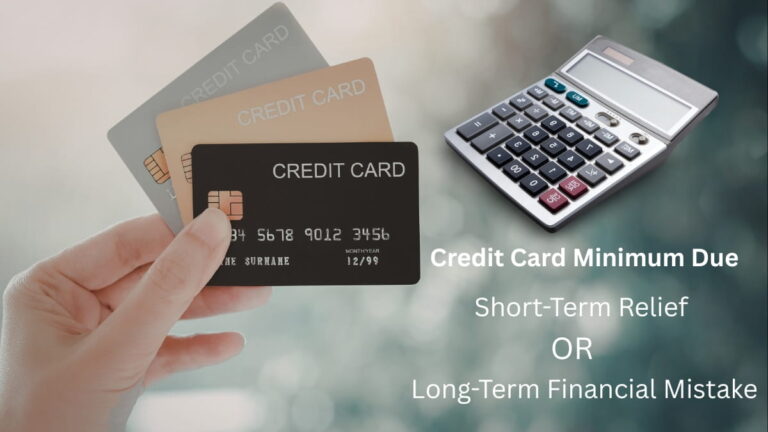


Credit cards have become an important part of modern financial life in India. They allow consumers to make purchases conveniently, manage short-term cash flow needs, earn rewards, and access emergency funds when required. Many individuals own multiple credit cards to benefit from cashback offers, travel rewards, fuel discounts, and higher combined credit limits. When used responsibly, credit cards can be valuable financial tools that support better money management.
However, problems can arise when multiple credit cards begin to replace disciplined budgeting. Easy access to credit often creates the impression that spending power has increased, even though actual income remains the same. As expenses grow and balances start carrying forward from one billing cycle to another, borrowers may gradually lose control of their overall debt position.
A debt spiral occurs when debt increases faster than a person’s ability to repay it. Instead of reducing balances over time, borrowers find themselves paying interest, making minimum payments, and relying on additional borrowing to stay financially afloat. What may start as a temporary financial challenge can eventually become a long-term debt problem.
Many people do not recognize the warning signs until the situation becomes serious. Since credit cards offer flexibility and relatively low minimum payment requirements, debt can accumulate quietly over months or even years. Understanding how multiple credit cards contribute to a debt spiral can help consumers make informed financial decisions and avoid unnecessary financial stress.
This guide explains how debt spirals develop, why multiple credit cards increase the risk, common warning signs, the impact on credit scores and financial health, and practical strategies for avoiding or recovering from debt-related challenges.
Understanding What a Debt Spiral Means
A debt spiral is a financial situation where a person’s outstanding debt continues growing despite making regular payments. Instead of making meaningful progress toward reducing balances, a large portion of monthly payments goes toward interest charges and fees. As a result, debt remains outstanding for longer periods and often becomes increasingly difficult to manage.
Credit cards are particularly susceptible to creating debt spirals because they are revolving credit products. Unlike traditional loans with fixed repayment schedules, credit card balances can remain unpaid indefinitely if the borrower only pays the minimum amount due. This flexibility can create the illusion that the debt is manageable even when the outstanding balance continues to increase.
Many debt spirals begin with a legitimate financial need. A medical emergency, job loss, business slowdown, educational expense, or family obligation may force an individual to rely on credit cards. While using credit during emergencies is understandable, prolonged dependence on credit cards can gradually lead to financial difficulties.
One of the most dangerous aspects of a debt spiral is that it develops gradually. Borrowers continue making payments and banks continue approving transactions, which can create a false sense of stability. By the time repayment challenges become obvious, total debt may have reached a level that requires significant financial intervention.
Why Many Indians Own Multiple Credit Cards
The Indian credit card market has grown rapidly in recent years. Banks and financial institutions frequently offer pre-approved cards, attractive welcome bonuses, reward points, and lifestyle benefits. As a result, many consumers own two, three, or even more credit cards.
For financially disciplined individuals, multiple credit cards can provide genuine benefits. One card may offer travel rewards, another may provide cashback on online shopping, while a third may offer fuel benefits. Using different cards strategically can help maximize rewards and improve convenience.
Many professionals also maintain multiple cards to separate personal and business expenses. Self-employed individuals, freelancers, and business owners often find it easier to track expenses when different spending categories are allocated to separate accounts.
The problem arises when multiple credit cards become a source of ongoing borrowing rather than a payment convenience. As available credit increases, spending habits may gradually change. Consumers who once relied solely on income may begin depending on credit limits to support their lifestyle, creating conditions that can eventually lead to a debt spiral.
The Illusion of Increased Financial Capacity
One of the biggest risks associated with multiple credit cards is the psychological effect of having access to large amounts of available credit. Many consumers unconsciously begin treating credit limits as an extension of their income rather than borrowed money that must eventually be repaid.
For example, a person earning ₹60,000 per month may have four credit cards with a combined limit of ₹8 lakh. Although their monthly income remains unchanged, access to substantial credit can create a feeling of financial flexibility. This perception often encourages spending decisions that might not occur if only income were available.
Behavioral finance studies have consistently shown that consumers tend to spend more when using credit compared to cash. The immediate financial impact of a purchase feels less significant because repayment is postponed. When multiple cards are available, this effect can become even stronger.
Over time, increased spending can lead to larger monthly balances. What initially appears manageable may become problematic when interest charges begin accumulating. Many borrowers discover too late that their available credit created an illusion of affordability rather than genuine financial strength.
How Minimum Due Payments Contribute to Debt Problems
One of the most misunderstood aspects of credit card debt is the concept of minimum payments. Banks typically require only a small percentage of the outstanding balance to be paid each month. While this prevents immediate default, it does not eliminate the debt.
Many borrowers believe they are managing their finances responsibly because they never miss a payment. However, consistently paying only the minimum amount due allows the majority of the balance to remain unpaid. Interest continues accumulating on the outstanding amount, making repayment more expensive over time.
Consider a borrower with a credit card balance of ₹1 lakh. If only the minimum amount due is paid each month, the principal balance reduces very slowly. Meanwhile, interest charges continue adding to the total cost of borrowing. Depending on the interest rate, repayment could take several years.
When multiple credit cards are involved, this problem becomes significantly larger. A borrower may be making minimum payments on three or four different cards simultaneously while making little progress toward eliminating the actual debt. This pattern is one of the most common pathways into a debt spiral.
The Compounding Effect of Credit Card Interest
Credit card interest rates in India are often significantly higher than traditional loan interest rates. Depending on the issuer and product, annualized interest costs can exceed 30% or even 40% in some cases. These rates can substantially increase the total repayment burden.
Interest becomes particularly problematic when balances are carried forward for extended periods. Each month, interest is charged on the unpaid balance. If new purchases are added while existing balances remain outstanding, debt can grow surprisingly quickly.
Suppose a borrower owes ₹3 lakh across multiple credit cards. Even when making regular payments, a significant portion of those payments may go toward interest rather than reducing the principal balance. This slows repayment progress and extends the duration of debt.
The longer debt remains unpaid, the more expensive it becomes. Many borrowers underestimate the impact of compounding interest until they review their statements and realize how much of their monthly payments are being consumed by finance charges.
Using One Credit Card to Pay Another
One of the clearest warning signs of a developing debt spiral is using one form of borrowing to manage another. Some borrowers transfer balances, take cash advances, or use personal loans to make payments on existing credit card debt.
Initially, this strategy may appear helpful. It prevents missed payments and provides temporary relief from immediate financial pressure. However, the underlying debt has not been reduced. It has simply been shifted from one account to another.
This approach often creates a cycle in which new borrowing becomes necessary every month. Instead of addressing the root cause of the debt problem, borrowers become increasingly dependent on additional credit to maintain existing obligations.
Financial counselors frequently identify this behavior as an early indicator of serious debt distress. Once borrowers begin relying on new credit to manage old debt, the risk of long-term financial difficulties increases substantially.
Lifestyle Inflation and Credit Card Dependency
Lifestyle inflation occurs when spending increases as income or available credit increases. Many people gradually upgrade their lifestyle after receiving higher credit limits or additional credit cards.
Dining out more frequently, purchasing premium products, upgrading gadgets, booking expensive vacations, and subscribing to additional services may seem affordable when monthly payments are spread across multiple cards. However, the cumulative impact can be significant.
The challenge is that lifestyle inflation often develops gradually. Small increases in spending rarely trigger immediate concern. Over time, however, these expenses become part of a person’s normal financial routine and can be difficult to reduce.
When income growth slows or unexpected expenses arise, individuals may find themselves relying on credit cards to maintain spending habits. This dependency can accelerate the transition from manageable debt to a full debt spiral.
Real-Life Example of a Debt Spiral
Consider a salaried professional named Amit working in Delhi. Initially, Amit used a single credit card and paid the balance in full every month. His financial situation remained stable, and he maintained a healthy credit profile.
Over several years, Amit obtained additional credit cards that offered travel rewards, cashback benefits, and higher credit limits. During a period of unexpected family medical expenses, he relied heavily on these cards to cover costs while preserving his savings.
Unable to repay the balances in full, Amit began paying only the minimum amount due. Eventually, he accumulated balances across four different cards totaling more than ₹3.5 lakh. Despite paying thousands of rupees each month, the debt reduced very slowly because interest charges consumed a significant portion of his payments.
Amit’s experience reflects a common pattern seen among borrowers facing debt challenges. The problem did not begin with reckless spending. Instead, it developed gradually through a combination of financial stress, easy access to credit, and prolonged reliance on minimum payments.
Financial Emergencies That Trigger Debt Spirals
Not every debt problem results from poor financial decisions. Many borrowers enter debt spirals because of circumstances beyond their control. Unexpected life events can place significant pressure on household finances and increase dependence on credit cards.
Medical emergencies remain one of the most common reasons individuals accumulate credit card debt. Hospital bills, treatment costs, and healthcare expenses can quickly exceed available savings, forcing families to rely on credit.
Job loss or income reduction can create similar challenges. Even temporary disruptions in earnings can make it difficult to meet financial obligations, particularly when fixed expenses remain unchanged.
Business owners and self-employed professionals may also experience periods of reduced cash flow. During slow business cycles, personal credit cards are often used to cover both household and business expenses, increasing the risk of long-term debt problems.
Warning Signs That You May Be Entering a Debt Spiral
Recognizing early warning signs can help prevent debt from becoming unmanageable. One common indicator is consistently paying only the minimum amount due on credit card statements. While this avoids immediate penalties, it often signals growing financial pressure.
Another warning sign is using credit cards for essential expenses such as groceries, utility bills, rent, or fuel because available income is insufficient. This suggests that borrowing is supporting everyday living costs rather than occasional purchases.
High credit utilization is another concern. Financial experts generally recommend keeping utilization below 30% of available credit. Consistently using most of your available credit may indicate increased financial risk.
Collection calls, overdue notices, and difficulty tracking total debt across multiple accounts are additional signs that financial intervention may be necessary. Ignoring these warning signs can allow debt problems to worsen over time.
Impact on Credit Score and Future Borrowing
A debt spiral can significantly affect a person’s credit profile. High outstanding balances, missed payments, and excessive credit utilization may negatively influence creditworthiness and reduce future borrowing opportunities.
Lenders evaluate repayment behavior when reviewing applications for home loans, vehicle loans, personal loans, and business financing. Individuals carrying substantial credit card debt may face higher scrutiny or loan rejections.
A damaged credit profile can also increase borrowing costs. Even when loans are approved, higher-risk borrowers may be offered less favorable interest rates and terms.
Beyond financial consequences, debt-related stress can affect mental well-being, family relationships, and overall quality of life. Addressing debt problems early can help minimize both financial and emotional challenges.
How to Avoid a Credit Card Debt Spiral
The most effective way to avoid a debt spiral is to treat credit cards as payment tools rather than sources of income. Every purchase made on a credit card should be viewed as a future financial obligation that will require repayment.
Monitoring spending regularly can help maintain awareness of total debt exposure. Many borrowers focus on individual card balances while overlooking their overall liability. Reviewing all accounts together provides a clearer picture of financial health.
Paying balances in full whenever possible remains one of the best strategies for avoiding interest charges. When full repayment is not feasible, paying substantially more than the minimum amount due can accelerate debt reduction.
Building an emergency fund is equally important. Having savings available for unexpected expenses reduces the need to rely on credit cards during financial emergencies and provides greater long-term stability.
What to Do If You Are Already Struggling With Multiple Credit Card Debt
If credit card debt has become difficult to manage, taking action early is essential. Begin by calculating total outstanding balances, monthly obligations, and available income. Understanding the full scope of the problem is the first step toward developing a solution.
Reducing discretionary spending can free up additional funds for debt repayment. While lifestyle adjustments may be challenging, they can significantly improve financial outcomes over time.
Some borrowers may benefit from debt consolidation or structured repayment plans. These approaches can simplify financial obligations and potentially reduce interest costs.
In severe hardship situations where repayment has become impossible, professional guidance may help borrowers evaluate available options, including settlement discussions with lenders. Every situation is unique, making it important to assess solutions carefully.
Conclusion
Multiple credit cards are not inherently harmful. Many consumers use several cards responsibly and enjoy the benefits they provide. Problems arise when credit cards begin supporting a lifestyle that exceeds a person’s income or repayment capacity.
Debt spirals typically develop gradually through a combination of increasing balances, minimum payments, high interest charges, and continued borrowing. Because the process is often slow and subtle, many individuals fail to recognize the warning signs until debt becomes difficult to manage.
Understanding how debt spirals develop is an important step toward protecting your financial future. By monitoring spending, controlling borrowing, prioritizing repayment, and seeking help when necessary, individuals can use credit cards effectively without falling into long-term debt traps.
Frequently Asked Questions
Can having multiple credit cards hurt my credit score?
Simply owning multiple credit cards does not hurt your credit score. Problems usually arise when high balances, missed payments, or excessive credit utilization occur across those accounts.
What is the biggest sign of a credit card debt spiral?
One of the clearest warning signs is using one credit card, loan, or borrowing source to make payments on another credit card debt.
Is paying only the minimum amount due a bad idea?
While minimum payments prevent immediate default, they allow interest charges to continue accumulating and can significantly extend the repayment period.
How many credit cards are too many?
There is no universal number. The right number depends on your income, spending habits, repayment capacity, and ability to manage multiple accounts responsibly.
Can a debt spiral affect future loan approvals?
Yes. High debt levels, missed payments, and excessive credit utilization may reduce loan eligibility and affect future borrowing opportunities.
Can credit card debt be settled?
In some financial hardship situations, borrowers may discuss settlement options with lenders. However, settlement can have implications for future creditworthiness and should be evaluated carefully.
How can I recover from multiple credit card debt?
Recovery generally involves understanding total debt, reducing spending, prioritizing repayments, avoiding new borrowing, and seeking professional financial guidance when necessary.
Should I close unused credit cards?
Closing unused cards is not always necessary. Decisions should be based on overall financial circumstances, credit utilization, annual fees, and long-term credit management goals.